Clay Masks & Radiant Skin: Earth's Most Ancient Beauty Secret
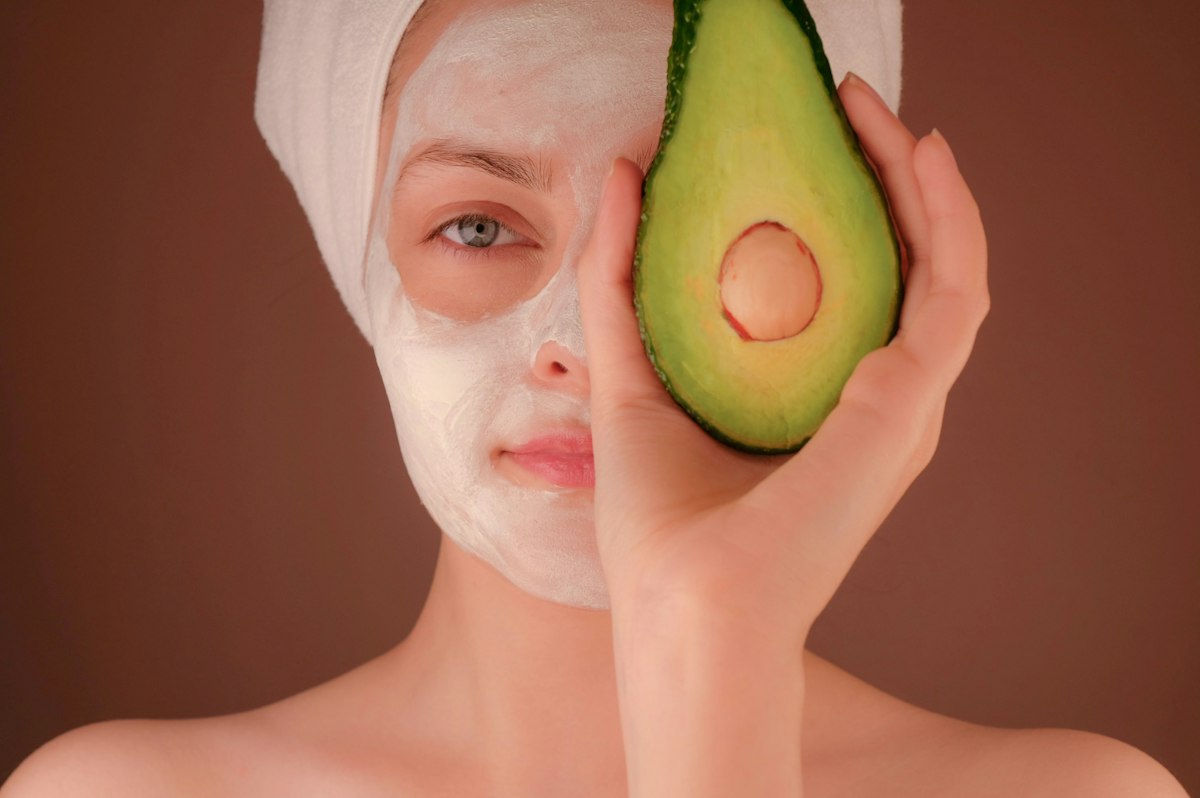
The Egyptians applied mineral clay to wounds. North African women have used rhassoul clay as a cleanser for over a thousand years. Indigenous cultures on every continent developed their own clay-based healing traditions independently — as if the earth, pressed into a fine paste, spoke a universal language that skin already knew how to hear.
There is a reason clay has outlasted every beauty trend: it works. Not through chemical novelty, but through geological depth.
What Clay Actually Does
Clay is, at its core, compressed volcanic ash and decomposed mineral sediment. When exposed to water, its crystalline molecular structure opens and becomes electromagnetically charged — negatively, specifically. This matters because most toxins, excess sebum, and bacteria carry a positive charge. The clay doesn’t cleanse the skin so much as it calls impurities toward itself, drawing them out through electrostatic attraction.
This is not marketing language. It is physical chemistry.
Beyond purification, clay is extraordinarily mineral-rich. Kaolin clay contains silica, a structural protein precursor that supports collagen synthesis. French green clay contains iron, magnesium, and calcium. Moroccan rhassoul clay delivers magnesium at concentrations that measurably reduce surface irritation after a single application.
The Three Clays We Trust
Kaolin (White Clay)
The gentlest of the primary clays, kaolin is appropriate for sensitive and combination skin. It cleanses without stripping, making it ideal for daily or twice-weekly use. Its fine particle size ensures an even application that doesn’t stress the skin’s moisture barrier.
Bentonite (Volcanic Ash Clay)
Formed from the weathering of volcanic ash, bentonite has the highest absorption capacity of all cosmetic clays — capable of absorbing many times its own weight in impurities. It is the workhorse of deep-pore cleansing treatments, best suited for oily or congestion-prone skin. At Aura Clay, our Clay Earth Facial uses bentonite as its primary purification agent, blended with botanical hydrosols to prevent over-drying.
Rhassoul (Moroccan Lava Clay)
Mined from the Atlas Mountains, rhassoul has been used in Moroccan hammam culture for centuries. It has a uniquely high ion-exchange capacity, meaning it both absorbs and releases minerals simultaneously — cleansing while it nourishes. The result is skin that feels polished, not stripped. Soft, not tight.
How to Use Clay at Home
The most common mistake with clay masks is applying them to dry skin and leaving them until fully hardened. This approach over-strips the skin’s natural oils and can cause micro-irritation. Instead:
Apply your clay mask to freshly cleansed, damp skin. Leave it on for 8–12 minutes — until it is set but not cracking. Rinse with lukewarm water using gentle circular motions. Follow immediately with a light botanical oil applied while the skin is still slightly damp.
The window between mask removal and oil application is the most receptive moment in your entire skincare practice. The pores are open, the surface is clear, and the skin will absorb deeply and gratefully.
The Ritual Dimension
A clay mask slows you down. You cannot check your phone while it’s setting. You cannot rush the mineralization process. The ten minutes you spend waiting are, perhaps unexpectedly, the most valuable part of the treatment — a forced pause in which your nervous system has no choice but to breathe.
This is why the Clay Earth Facial at Aura Clay is never just a skin treatment. It is an initiation into stillness. The clay teaches you something the products alone cannot: that restoration requires your presence, not just your face.
Book your Clay Earth Facial. Let the earth do what it has always known how to do.