The Art of Ritual Bathing: Reclaiming the Sacred Soak
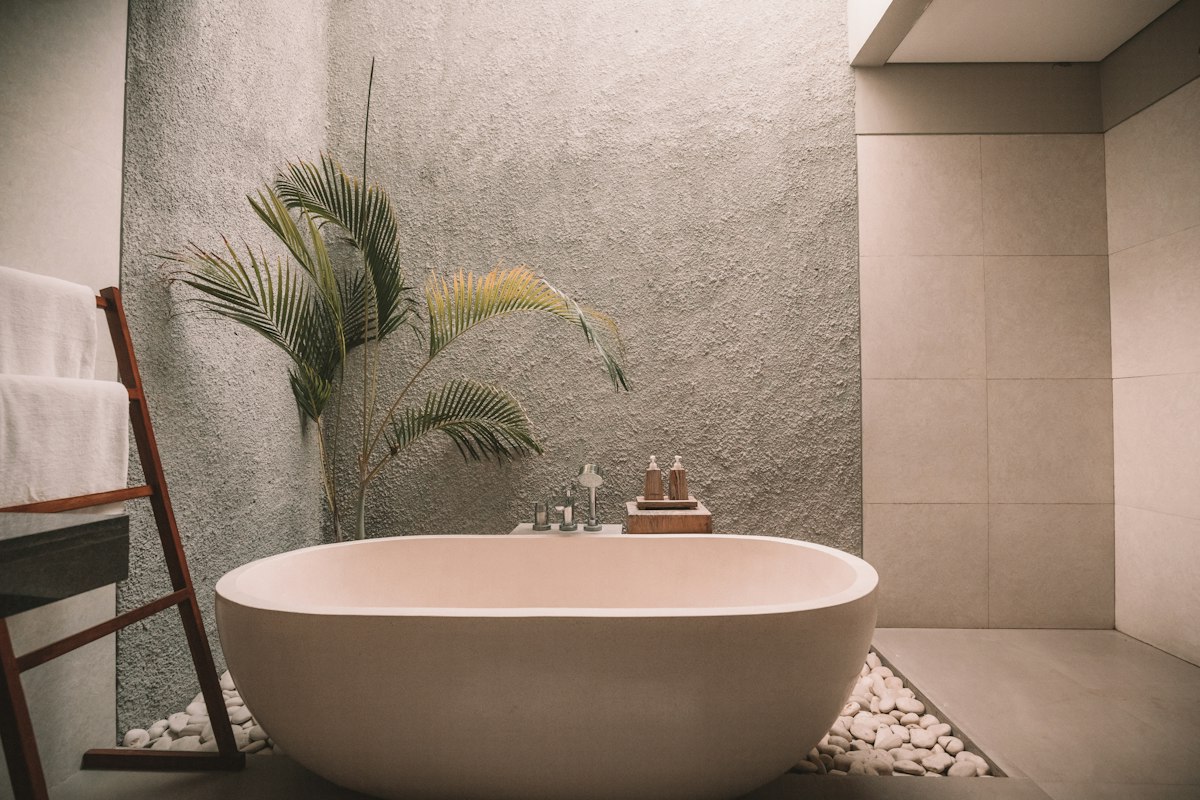
There is something quietly radical about drawing a bath on a Wednesday afternoon. About choosing warmth over efficiency, immersion over velocity. And yet — somewhere between childhood and adulthood — bathing became a chore we execute rather than a ritual we inhabit.
The ancient world understood something we’ve nearly forgotten: water is medicine. The Romans built elaborate thermal complexes not out of luxury, but out of necessity. Japanese onsen culture encodes bathing as a social and spiritual act. The Turkish hammam is a practice in communal cleansing and bodily respect. These are not traditions of indulgence. They are traditions of care.
The Body Knows Before the Mind Does
When you lower yourself into warm water, something immediate happens beneath conscious thought. Your nervous system, perpetually braced for the next demand, recognizes a signal it rarely receives: you are safe here. Blood vessels dilate. Cortisol drops. The jaw unclenches. The shoulders release their hold on the ears.
This physiological response is not metaphor — it is measurable biology. And it begins before you’ve added a single drop of anything to the water.
Building Your Ritual
The difference between a bath and a ritual is intention. Ritual bathing doesn’t require elaborate products or expensive salts. It requires only that you approach the act as worthy of your full attention.
Temperature is Everything
Begin with water that is warm enough to be felt — roughly 38–40°C (100–104°F). Too hot spikes the heart rate and depletes rather than restores. Too cool loses the softening quality of warmth. The goal is a temperature that feels like being held.
The Power of Mineral Salts
Dead Sea or Himalayan mineral salts dissolved in bath water create a trace-mineral-rich environment that soothes inflamed tissues and draws out subcutaneous lactic acid — the residue of physical and emotional stress that accumulates in muscle fiber over time. A full cup in a standard bath is sufficient.
Botanicals and the Olfactory Bridge
The skin is permeable, and aromatic compounds — particularly those from eucalyptus, lavender, and frankincense — pass through the epidermal barrier and enter the bloodstream within minutes. This is why scent in a bath doesn’t merely smell pleasant; it physiologically quiets the limbic system. Choose one or two botanical additions rather than many. Simplicity lets each element speak.
Dim the Light
Overhead fluorescence is neurologically alerting. Candle light or warm-spectrum lamps activate a different visual pathway — one associated with wind-down and rest. The body interprets the quality of light as information about what time of day it is and what state you should be in.
After the Water
The moments immediately following a ritual bath are some of the most valuable in the entire practice. The skin is porous, the nervous system is open, the mind is unusually quiet. Apply oils — body oil, not lotion — to damp skin and allow them to absorb without rushing. Move slowly. Resist the pull of the phone for at least fifteen minutes.
The bath taught your body something. Give that teaching time to settle.
At Aura Clay, our treatments draw on these same principles — warmth, mineral earth, aromatic intention, and the profound physiological intelligence of the body when given permission to rest. The ritual begins before you arrive, and continues long after you leave.
Come. The water is warm. You’ve earned the stillness.